Cooling equipment in the UAE works harder than almost anywhere else. Between the summer heat, the fine desert dust that gets into every vent, and the humidity along the coast, an air conditioner or portable cooler that would last fifteen years in a milder climate can wear out in half that time here. The good news: most of the damage is preventable. This guide walks you through the routine that keeps a cooling unit running quietly and efficiently for as long as possible, and shows you when a small noise or smell is a sign to stop guessing and call a technician.
Why it matters
Neglect is what kills a cooling unit, not age
Manufacturers usually rate a split AC for 10 to 15 years of service. In the Gulf, dust load on the coils and filters can double the compressor’s workload within a single summer if the system is not cleaned. A compressor forced to push against a clogged coil draws more current, runs hotter, and eventually fails, and that is the single most expensive component in the whole unit.
The same logic applies to any refrigeration cycle: keep the airflow clean, keep the electrical contacts tight, and the machine will keep its factory efficiency for years longer than a neglected one.
A six-step maintenance routine
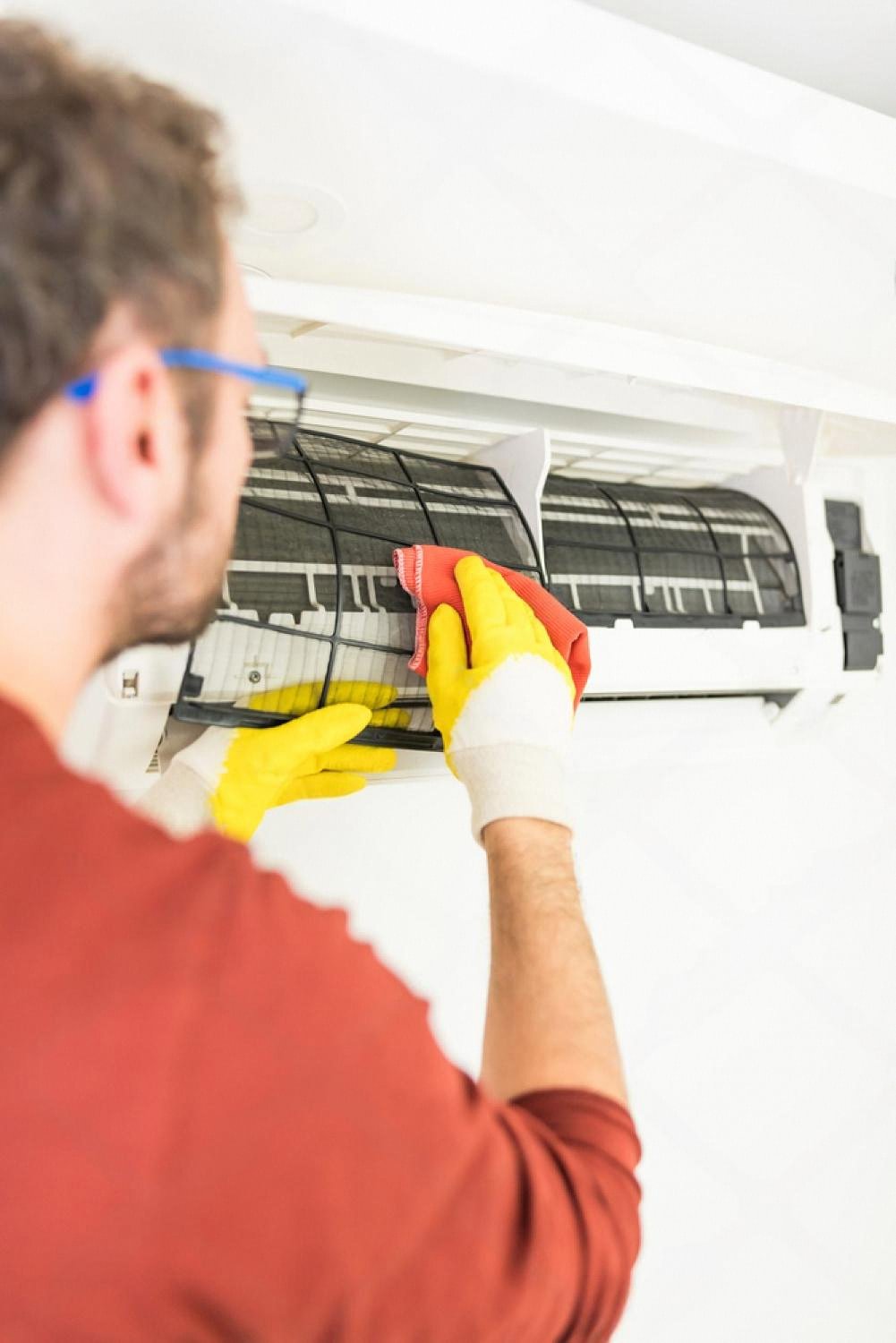
Step 1. Clean the filters every two to four weeks
In UAE conditions, filters clog fast. Slide them out, rinse under lukewarm water, let them dry fully, and put them back. Never run the unit with wet filters, and never skip this step during sandstorm season.
Step 2. Vacuum the indoor unit’s louvres and vents
Dust settles on the plastic louvres and inside the fan housing. Once a month, wipe the exterior with a damp microfibre cloth and use a soft brush vacuum attachment on the intake grille.
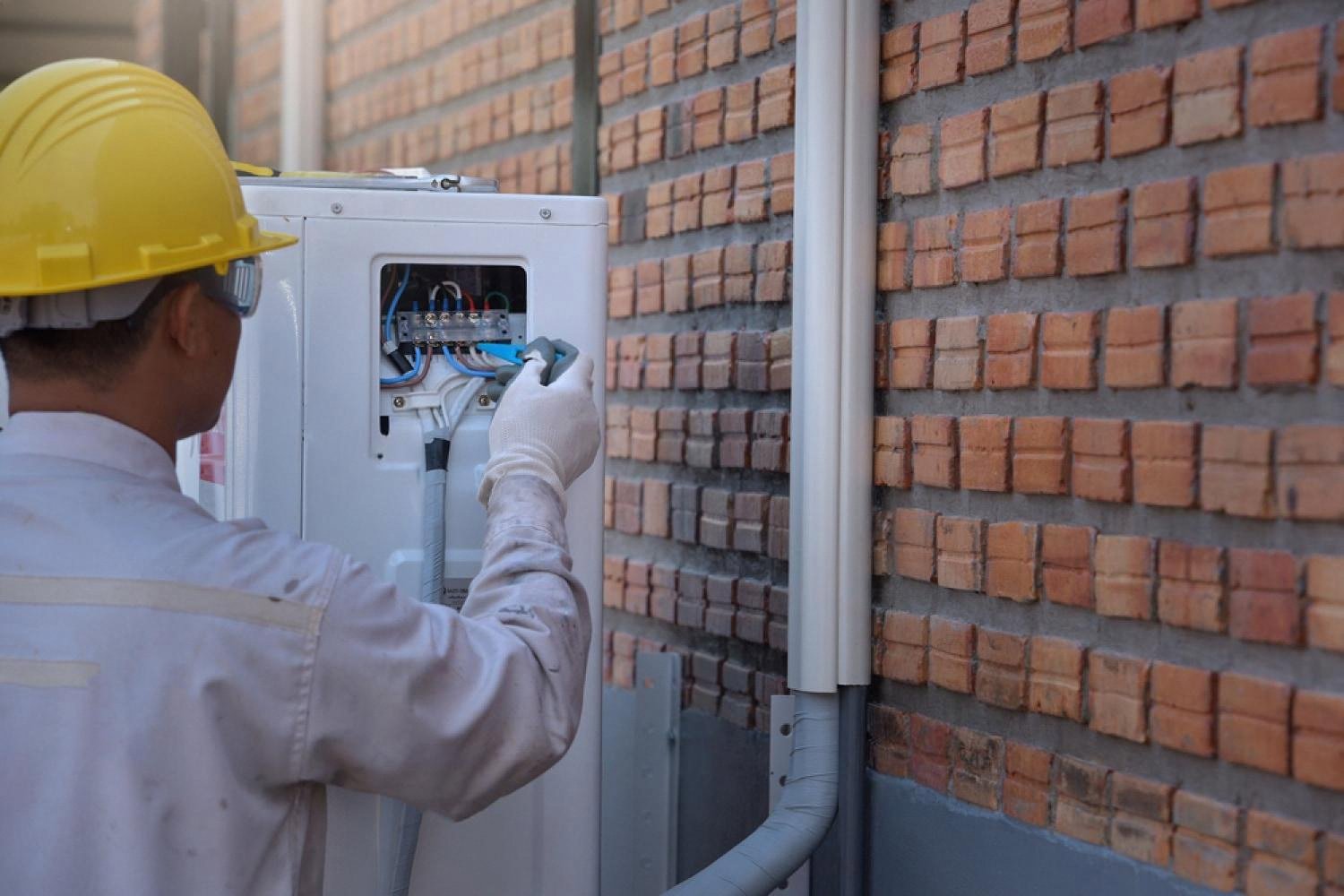
Step 3. Inspect the outdoor unit
Check the condenser once a season. Clear leaves, plastic bags, and construction dust off the fins. Make sure nothing blocks the airflow around it, and confirm the wiring cover is closed and secure.
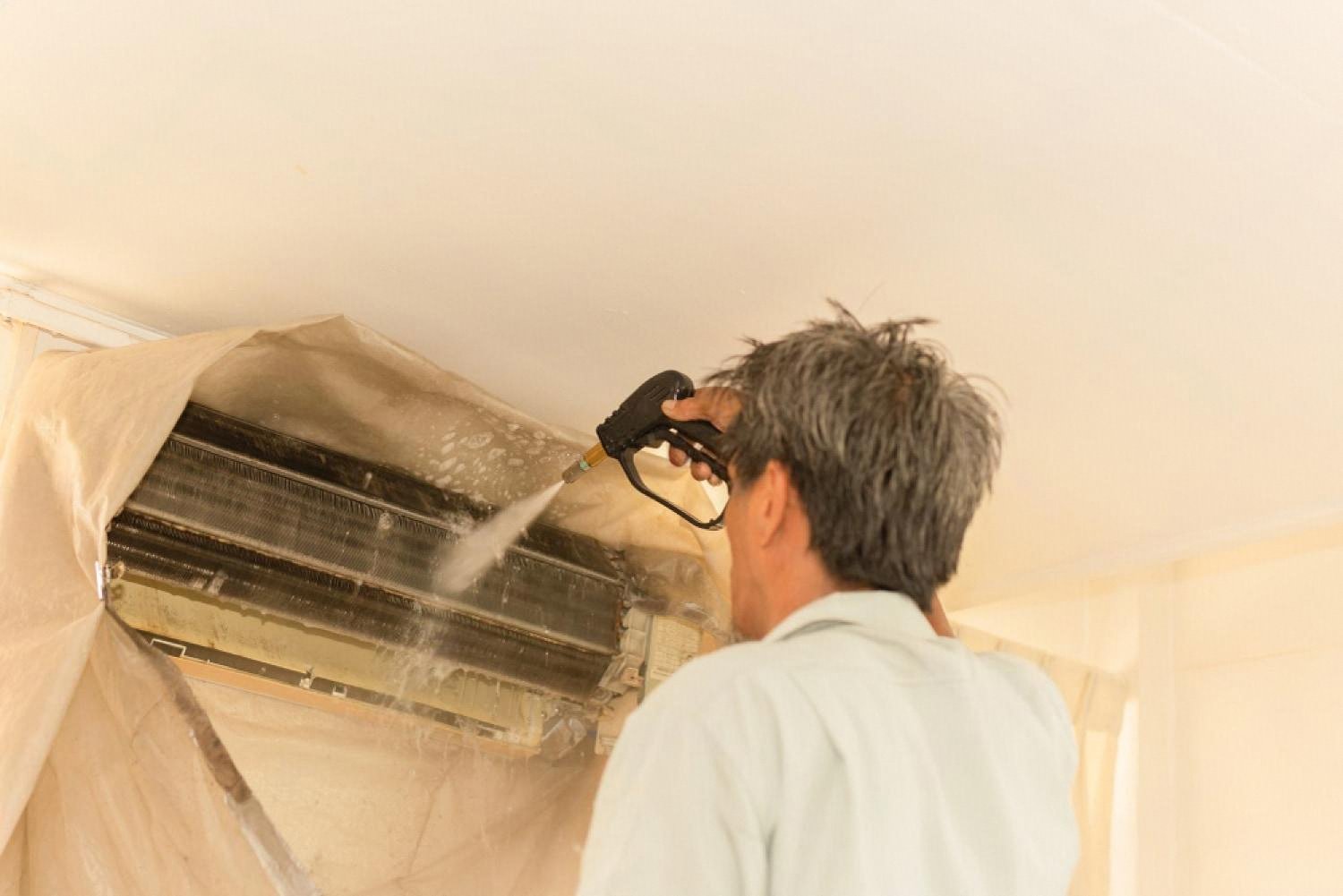
Step 4. Deep-clean the coil once a year
The evaporator coil holds the fine dust that filters miss. A yearly professional wash with a proper coil cleaner restores heat transfer and drops your electricity bill noticeably.
Step 5. Check the drain line
A blocked drain is the most common cause of water leaking from the indoor unit. Pour a cup of warm water down the drain pan once a quarter, and watch it flow out of the exterior drain pipe.
Step 6. Give the system a rest
Set a sensible thermostat target, 22 to 24 C is usually enough, and use timers or smart controls to switch the unit off when rooms are empty. Continuous max-cool operation shortens compressor life.
Before you start
A quick pre-maintenance checklist
- Switch off the unit at the wall socket, not just the remote.
- Wait five minutes for the fan to stop fully before opening any panel.
- Have a clean microfibre cloth, a soft brush, and a basin of lukewarm water ready.
- Keep the manual close by so you know the correct filter release direction.
- Photograph the wiring inside any electrical cover before you touch it, so you can put covers back the way you found them.
- If the unit is a rental, for example an outdoor air cooler you have rented in the UAE check the rental terms first, most providers handle maintenance themselves.
Warning signs that need a technician, not a cloth
Some symptoms are outside the scope of home maintenance. If you notice any of the following, stop using the unit at max load and book a service visit. The cost of a diagnostic call is small compared to replacing a compressor or a full split system.
- A musty or sour smell from the vents. This is almost always mould or bacteria growing on the coil or in the drain pan, and it needs a proper chemical clean.
- New rattles, grinding, or a loud hum from either the indoor or outdoor unit. Loose fan blades and failing bearings only get worse.
- Water dripping from the indoor unit onto the wall or floor, especially if flushing the drain line did not fix it.
- Ice on the copper pipes or on the indoor coil, which usually points to low refrigerant or restricted airflow.
- The unit trips the breaker or the outdoor fan refuses to start.
Certified HVAC technicians in the UAE carry the right coil cleaners, refrigerant gauges, and pressure washers to handle these problems safely. They can also spot a small refrigerant leak before it damages the compressor, which is the kind of catch that pays for the visit many times over. If your building uses district cooling instead of a split system, the same principle holds: report changes in performance to the operator early rather than waiting for a full outage.
Cooling equipment does not fail suddenly. It fails slowly, and then all at once, on the hottest day of the year.
Frequently asked questions
How often should I clean my air conditioner filters in the UAE?
Every two to four weeks during the hot season, and at least once a month in cooler months. Dust and fine sand accumulate on filters much faster in the Gulf than in temperate climates, so the manufacturer’s generic recommendation of every three months is not enough here.
Is an annual professional service really necessary if the unit seems to work fine?
Yes. Coil dust, drain-line slime, and slow refrigerant loss all develop invisibly, and by the time you notice weaker cooling you are already paying more on electricity every month. A yearly deep clean and pressure check catches these issues before they turn into compressor damage.
Most UAE technicians offer annual maintenance packages that are cheaper than a single unplanned repair visit.
What is a safe temperature setting that balances comfort and equipment life?
22 to 24 C is a comfortable range for most homes and offices in the UAE. Setting the thermostat lower than 20 C forces the compressor to run for longer cycles without meaningfully improving comfort, and it dramatically shortens the lifespan of the unit.
Why is water leaking from my indoor AC unit?
The most common cause is a blocked condensate drain line, often full of dust and biofilm. Flushing the drain with warm water usually clears it. If leaking continues, the drain pan may be cracked, the unit could be tilted incorrectly, or the coil may be frozen because of low refrigerant, all of which need a technician.
Should I cover the outdoor unit during sandstorms?
Only when the unit is switched off. Covering a running condenser blocks airflow and can overheat the compressor within minutes. If you know a sandstorm is coming, switch the AC off, cover the outdoor unit with a breathable cover, and remove the cover completely before turning the system back on.
How do I know when it is time to replace the unit instead of repairing it?
Three signs together usually mean replacement is cheaper long-term: the unit is more than 10 years old, it has needed refrigerant top-ups more than once, and your electricity bill keeps rising even with normal usage. A newer inverter model will typically pay for itself in three to five summers through lower consumption.

Skydiver, mother of 2, fender owner, Vignelli fan and multidisciplinary designer. Acting at the sweet spot between modernism and purpose to craft meaningful ideas that endure. Let’s chat.