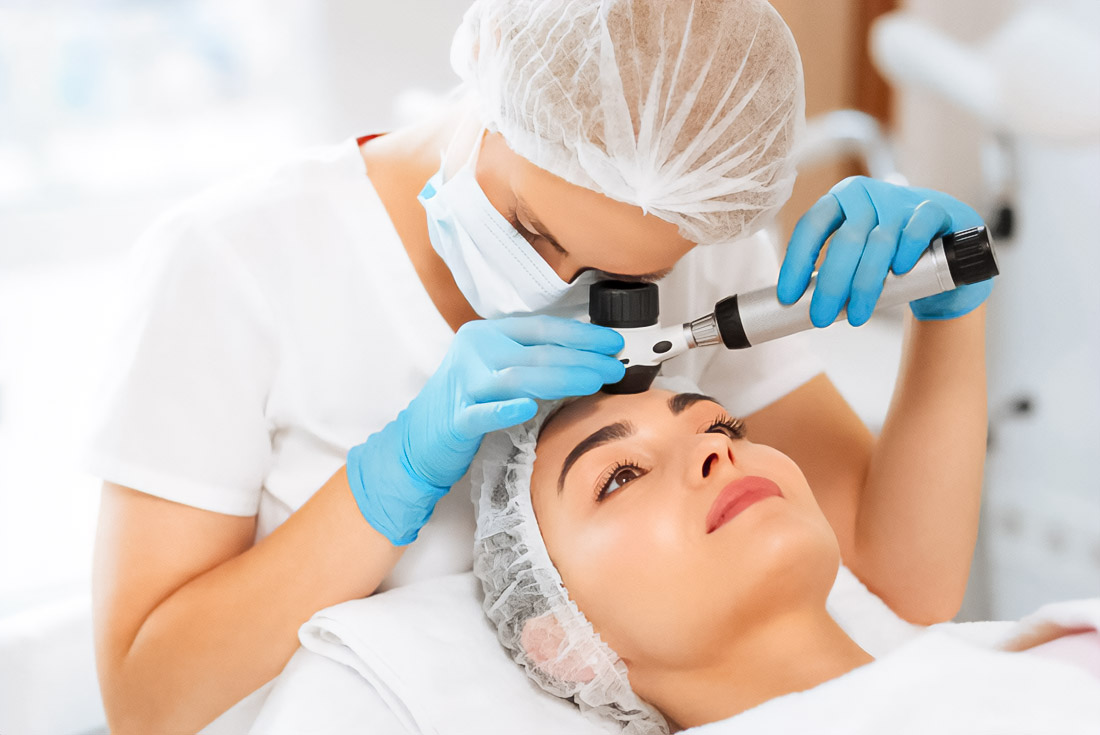
The winter sun in Dubai is milder and the air is drier. The skin goes into protection mode, releases less sebum and loses moisture faster. TEWLincreases, the stratum corneum loses elasticity, and the barrier function suffers. In such conditions, laser hair removal is more comfortable if the protocol is set up correctly. This is especially important for skin with a high content of melanin and phototypes IV–VI. The right wavelengths, test spots, and cooling solve half the problems.
In winter, the skin dehydrates faster. Cold outside air and dry indoor air increase water evaporation. Sebum secretion decreases, lipid layers become vulnerable, and sensitivity increases. For women, a hormonal factor is added. Estrogens and progesterone affect the thickness of the epidermis, collagen synthesis and moisture retention. In postmenopausal women, decreased estrogen levels are associated withxerosis, decreased elasticity, and itching. Observations show that substitution therapy is able to increase the level of hydroxyproline by about 50 percent, which is consistent with an improvement in the structure of the matrix. In older age groups, winter dryness is common, and relative humidity of about 60 percent helps reduce TEWL. We also take into account dermatoses. Exercitations of eczema, rosacea, and psoriasis occur more frequently with low humidity and temperature fluctuations. Aggressive cleansing quickly disrupts the stratum corneum, especially with an already elevated TEWL.
Safe Options For Dark Skin
The key to safety is to correlate skin melanin and hair melanin with the wavelength and pulse time. For phototypes IV–VI, Nd:YAG 1064 nm is preferred. This wavelength penetrates deeper, interacts less with epidermal melanin, and reduces the risk of burns and hyperpigmentation. The protocol includes a test spot, conservative fluence, extended pulse time, and dynamic cooling of the epidermis. Contact sapphire crystal or cryospray stabilizes skin temperature and reduces perifollicular edema. Alexandrite 755 nm is also suitable for light phototypes with correct energy calibration and mandatory photoprotection. The universal rules remain unchanged. Before the session, shave for a day, no tanning and photosensitizing agents, no wax and tweezers. After the session, cooling, mild fragrance-free moisturizing formulas, asset control. Ceramides, squalane, dimethicone, hyaluronic acid and urea help to retain water and restore the barrier. An SPF of at least 30 is required even in winter, as UV is active all year round. In professional settings such as an aesthetic and cosmetology clinic in Dubai, the combination of wavelength precision and barrier-focused care ensures optimal outcomes for diverse skin tones.
Why it’s Easier to Follow the Course in Winter
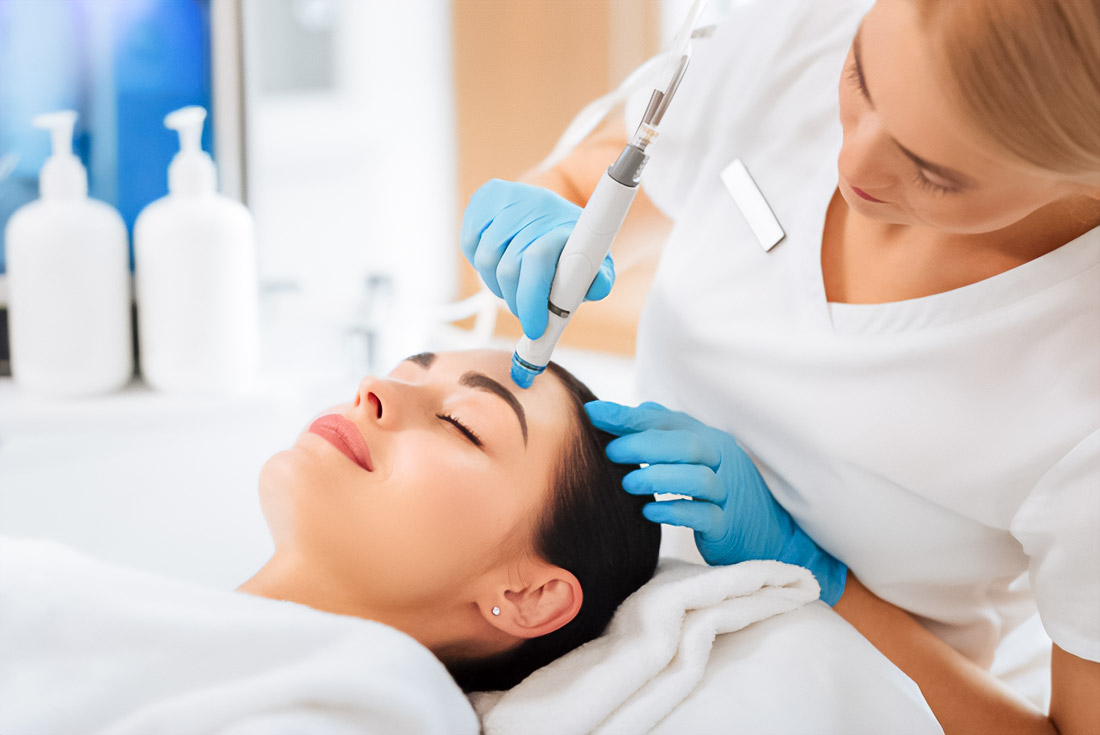
In winter, it is easier to avoid intense sun, which means it is easier to maintain a stable regime between sessions. There is less risk of accidental sunburn and post-inflammatory hyperpigmentation, and the comfort of the recovery period is higher. The household routine becomes disciplined. A humidifier, a warm shower instead of a hot one, a wash time limit of up to ten minutes, and a cream immediately on wet skin reduces TEWL. Clients are less likely to miss visits due to vacations and beach activities, so the cycles are captured more accurately. This is important because the laser acts effectively on the hair in the anagen. Most areas require a series of six to eight sessions with intervals of about four weeks, for large areas or hormone-dependent areas, longer plans are possible. The effects of the cycle and possible growth fluctuations are taken into account on the face and in the bikini area. In case of exacerbation of dermatoses, medical correction is indicated. Phototherapy and properly selected topical steroids are used according to the indications. Dielectric measurements, high-frequency sonography, and OCT help monitor the condition of the dermis and epidermis, if necessary, to monitor the dynamics instrumentally.
The winter season in Dubai creates a safety window for laser hair removal, especially for dark phototypes. Proper wavelength selection, test spots, cooling and care, with an emphasis on barrier and photoprotection, provide a sustainable effect and minimal risks. The discipline of procedures and basic hygiene of the climate at home turn the course into a predictable and comfortable process. The skin responds gratefully, and the stress of winter is noticeably reduced.

Skydiver, mother of 2, fender owner, Vignelli fan and multidisciplinary designer. Acting at the sweet spot between modernism and purpose to craft meaningful ideas that endure. Let’s chat.